In a world increasingly defined by interconnectedness, international exchange has become robust, catering to various stakeholders. It is a dynamic ecosystem of programs, partnerships, and initiatives that foster mutual understanding, collaboration, and innovation.
In the Spring 2026 issue of the IIENetworker magazine, Designed to Connect: Global Pathways for International Education, we explore the breadth of intentional exchange models that extend beyond traditional programs, developing various global learning opportunities, and highlighting how they foster relationships, strengthen communities, and respond to today’s global realities. We hope this edition of the IIENetworker offers insights and current practices that inspire new possibilities.
Get Your Digital Copy
IIENetwork members with access to the Memberships Portal can obtain their complimentary digital copy of the magazine in the Resource Center. If there are questions about access, please email Membership@iie.org.
The IIENetworker magazine is available for purchase through the IIE Bookstore.
ARticle Abstracts
By Daniel Calingaert, Dean for Global Programs at Bard College and Managing Director of the Global Higher Education Alliance for the 21st Century
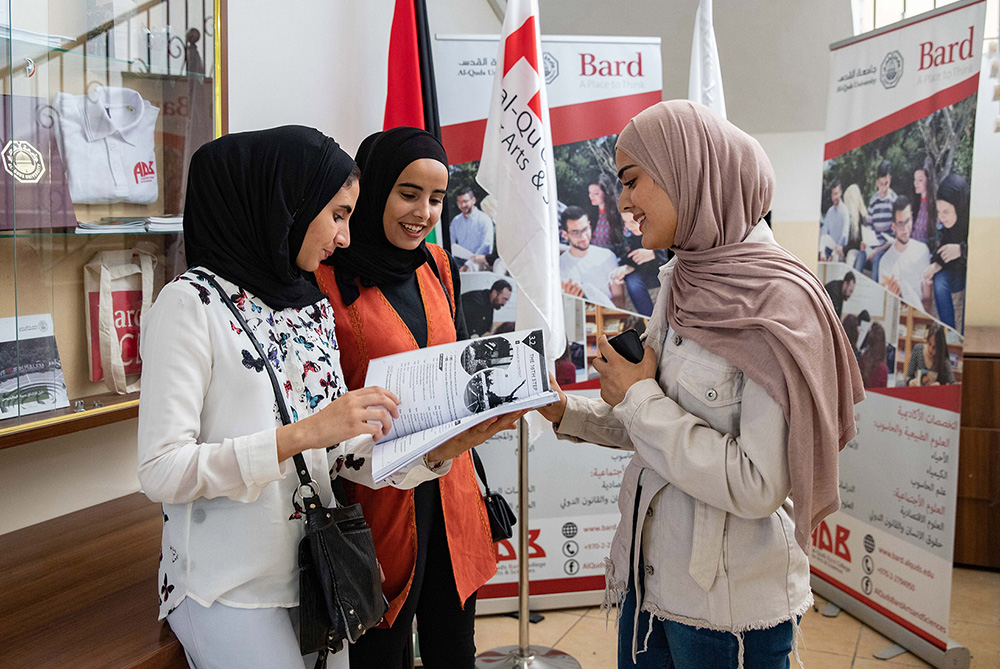
The Global Higher Education Alliance for the 21st Century (GHEA 21), led by Bard College, offers a full curriculum of over 100 regular courses per year, taught by faculty across 27 partner institutions to students on five continents. GHEA21 enables its member universities to share courses, integrate global education into their undergraduate programs, and provide opportunities for virtual exchange to students who otherwise have little to no access to international learning.
By Paula Álvarez Tamés, Director of International Programs, Ursinus College
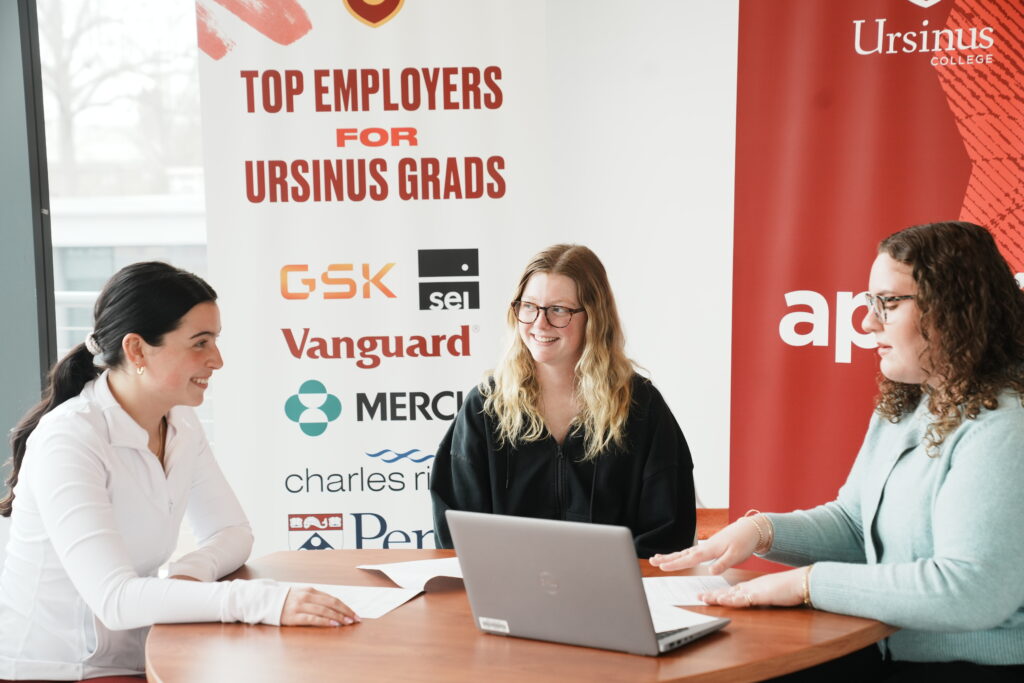
Institutions of higher education are under increasing pressure to prepare graduates who are both globally competent and career ready while addressing equity gaps in experiential learning. This article examines Global Career Exploration Week (GCEW), known on campus as Go Global, a mandatory, fully funded global learning experience for sophomores at Ursinus College implemented through the college’s Applied Professional Experiential (APEX) initiative. GCEW ensures that all students engage in short-term international programs or U.S.-based global experiences that develop intercultural and professional competencies. This article explores the initiative’s design principles, curricular alignment, assessment strategies, and early impacts, offering a model for small liberal arts colleges aiming to build equitable, sustainable global pathways that advance both student development and institutional mission.
By Cristina Alfaro, Ph.D., Associate Vice President, International Affairs, San Diego State University
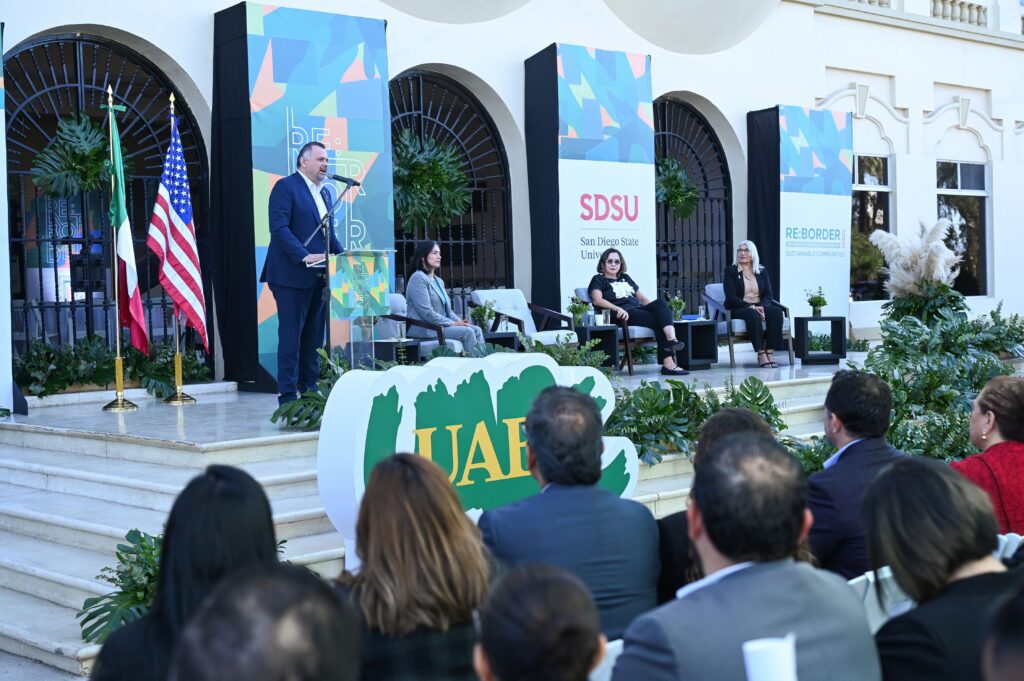
San Diego State University’s commitment to internationalization is grounded in the principle of education diplomacy, which frames the institution’s mission to prepare graduates to succeed in a global economy. This article highlights SDSU’s education diplomacy strategy, which is built on sustained, reciprocal partnerships that advance comprehensive internationalization for both students and faculty. One of the strongest pillars of this strategy is SDSU’s engagement in Mexico, exemplified by the annual binational and bilingual RE:BORDER Conference and the establishment of the SDSU Oaxaca Center for Mesoamerican Studies in Oaxaca, Mexico.
By Alia Gilbrecht-Hindi, Assistant Director of University Partnerships; Nikhil Celly, Ph.D., Assistant Dean of Strategic and Global Initiatives; and Maggie Mahoney, Ed.D., Director, Global Engagement, University of Houston
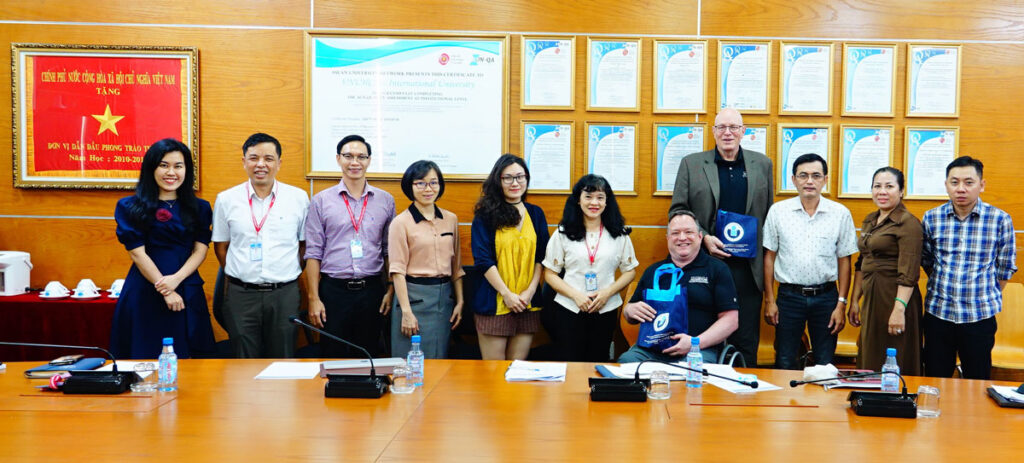
This piece examines a long-standing 2+2 pathway partnership between International University, Vietnam National University (IU-VNU) and the University of Houston’s C.T. Bauer College of Business, established in 2009. It highlights how formal program design and community-driven networks work together to support transfer student success and produce strong student outcomes. Drawing on key informant interviews with a program administrator and two current and former VNU transfer students, the article presents Houston’s robust Vietnamese diaspora and an alumni‑led support ecosystem as important but not sole contributors to the program’s success. It situates these elements within a broader framework of rigorous selection criteria, predictable advising, and intentional student engagement. The article identifies transferable design features that other institutions can adapt, while noting limits and remaining questions about how selection, logistics, and other non-academic factors shape student continuation.
By Yana A. Cornish, Director of Global Education, University of Georgia
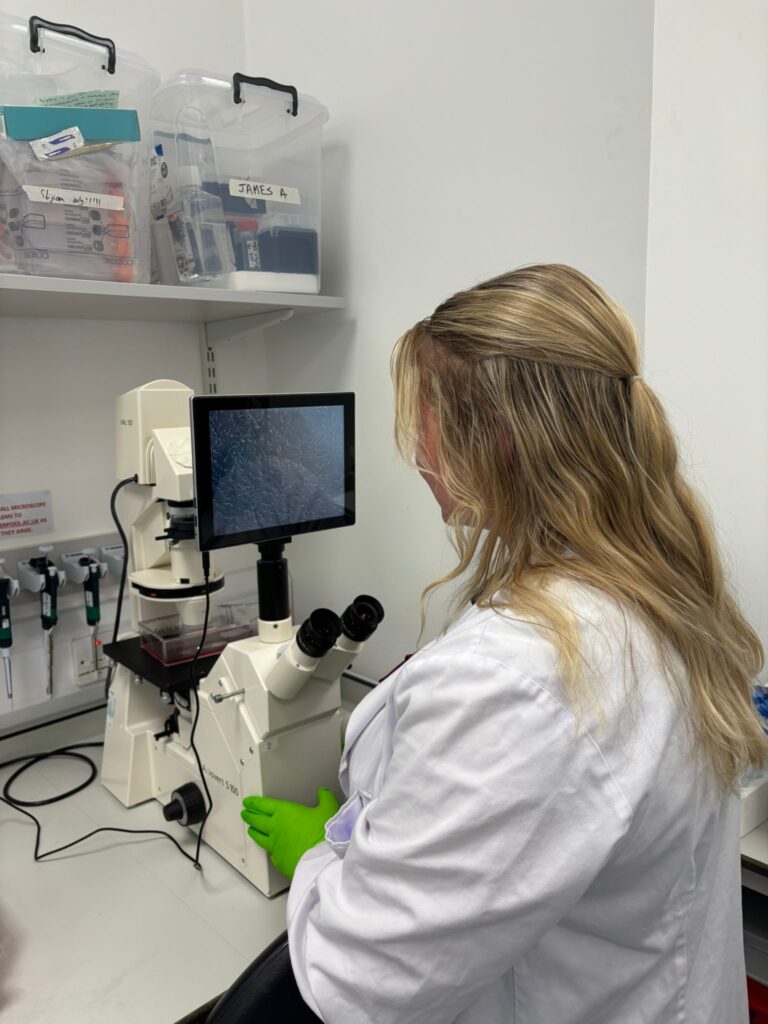
As international education and bilateral exchanges adapt to economic pressures, workforce demands, and technological disruption, universities are increasingly called to design study abroad programs that are both globally connected and professionally relevant. This article presents a set of innovative exchange examples at the University of Georgia (UGA) that intentionally link international exchange mobility with career readiness, applied research, and emerging AI competencies. Using case studies, the article illustrates how bilateral exchange pathways can strengthen academic-industry connections, expand international research collaborations, foster long-term institutional relationships, and respond to evolving global realities. The article further explores how a supportive funding framework, career-focused program elements, and cross-sector partnerships are being leveraged to expand access and enhance student learning outcomes.
by Heather H. Ward, Associate Provost for Global Affairs, University of North Carolina at Chapel Hill
The UNC–Nagoya Cybersecurity Exchange is a short-term, experiential learning program that brings together students from the University of North Carolina at Chapel Hill and Nagoya University to explore cybersecurity policy, technology, and careers. Funded by the U.S. Embassy in Tokyo, the program immerses participants in simulations, site visits, and professional networking in both the United States and Japan. Beyond academic enrichment, the exchange strengthens the institutional partnership between the two universities and fosters meaningful cross-cultural relationships among students. Designed to overcome common barriers to study abroad—such as cost, time, and curricular constraints—the program serves as a model for accessible, high-impact international education.

By Lisa Beckenberger, International Liaison Officer; Olesia Husak, EU Programme Officer; Veronika Kulaga, EU Programme Officer; Dariia Kustova, Programme Officer Ukraine, OeAD-Austria’s Agency for Education and Internationalisation

In the context of Russia’s war against Ukraine, international academic exchange has become both an emergency response mechanism and a strategic instrument for long-term institutional resilience. This article informs how OeAD – Austria’s Agency for Education and Internationalisation – has combined crisis-responsive scholarship support with structured, partnership-based formats to sustain and deepen cooperation between Austrian and Ukrainian higher education institutions. The intentionally designed connectivity – linking immediate support with long-term partnership development – can transform crisis-driven engagement into sustainable global pathways for recovery, innovation, and enduring institutional trust.
Share Your Thoughts
Post on Facebook, LinkedIn, and Instagram tagging @iieglobal and using #IIENetworker.
Stay tuned to IIE’s communication channels for registration to upcoming IIENetworker Conversations – virtual discussions with the authors and IIENetwork members.