Designed to Connect Theory with Practice, the Fellowship Supports University Students’ Internships at International NGOs
Around the world, conflict, persecution, and violence have forcibly displaced an estimated 117.8 million people, while 273 million children and youth remain out of school globally. Health inequities also remain stark; nearly 287,000 women died from preventable pregnancy- and childbirth-related causes in 2020, with the overwhelming majority of deaths occurring in low- and lower-middle-income countries.
At a time when international development jobs have waned, the NextGen Service Fellowship aims to invest in rising leaders who want to address these global challenges. Through immersive service-learning and internship experiences, the NextGen Service Fellowship helps students develop essential skills while exploring career pathways in international development and public service.
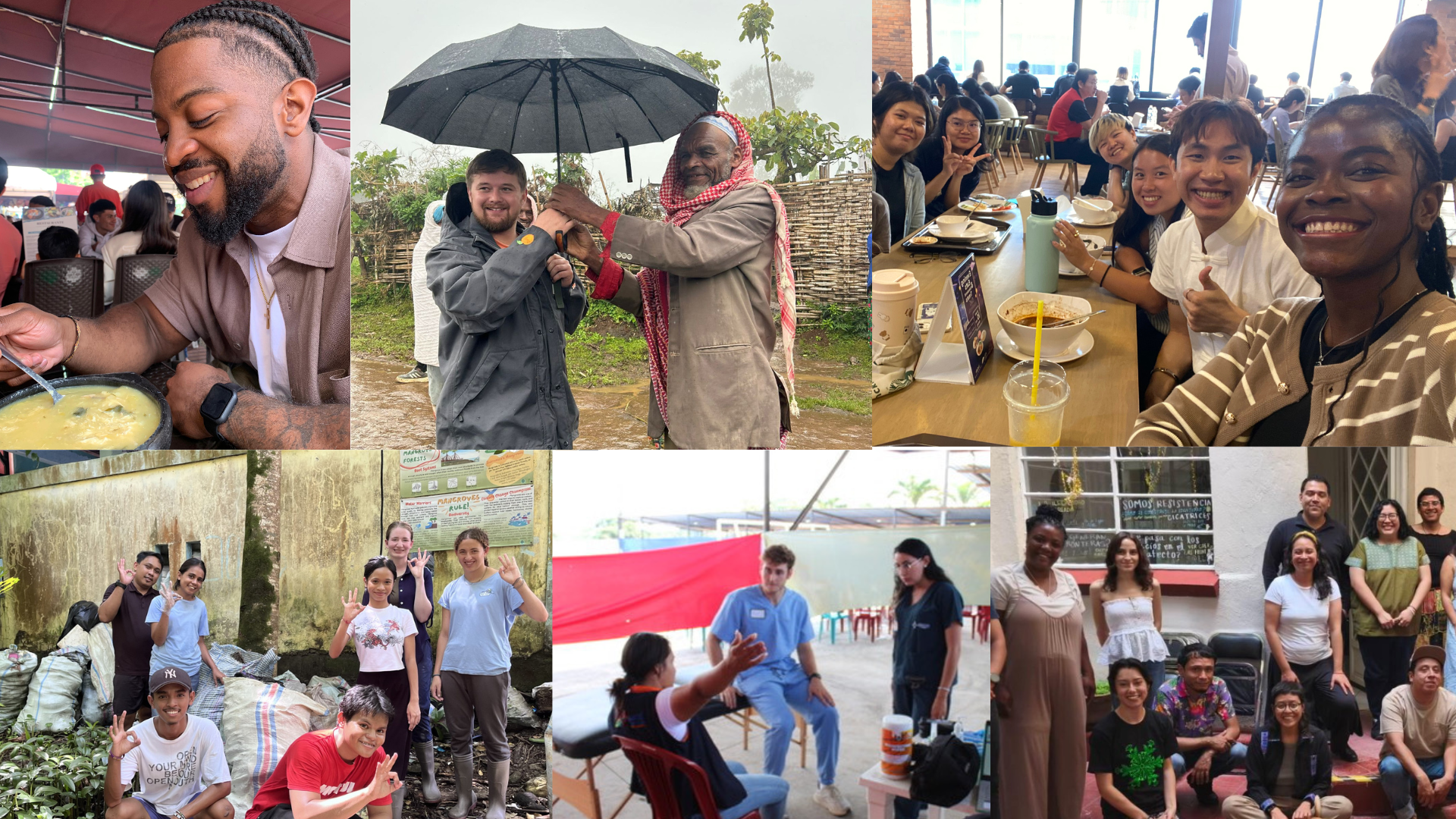
Now in its second year, the NextGen Service Fellowship—supported by The Rockefeller Foundation and managed by IIE—covered the costs for 35 undergraduate and graduate students to volunteer at nonprofit organizations in 13 countries across Africa, Asia, and Latin America this summer. The Fellows were selected in competitive application processes at partner universities Arizona State University, Boise State University, Clemson University, Columbia University, Johns Hopkins University, the University of Kentucky, the University of Texas, and the University of Wisconsin. The Fellowship covered Fellows’ placements with NGOs in Argentina, Colombia, Mexico, Panama, Cambodia, Thailand, India, Japan, Nepal, Benin, Kenya, Ethiopia, and Senegal.
A hallmark of the fellowship is the flexibility it gives students to pursue service opportunities that align with their interests and career aspirations. Some fellows pre-identify their placements with support from their home institutions, while IIE matches other Fellows with partner organizations in Colombia, Ethiopia, Mexico, or Thailand. Whether through internships, volunteer service, or community-based learning projects, Fellows gain firsthand experience addressing local challenges while developing the cross-cultural competencies, professional skills, and global perspective needed to become the next generation of international development leaders.
From Academics to Real-World Insights
For decades, armed conflict and limited economic opportunity has pushed Burmese into neighboring Thailand. But a coup in 2021accelerated their forced migration—especially along the Thai-Myanmar border, where as many as 100,000 Burmese refugees are currently living. Among those, very few young people have reliable access to an adequate education, a critical asset for entering the job market and developing self-reliance. Some 10,000 miles away in Colombia, nearly a quarter of young people 15 to 29 years old are not in employment, education nor training. Educational quality and attainment are uneven across the population as well.
Fellows Adam Rivera and Jesse Lee traveled to these countries, respectively, to not only serve these populations but to bridge the gap between their academic study and real-world insight. By working directly with local organizations and community leaders, they gained firsthand insight into the challenges and opportunities facing these communities.
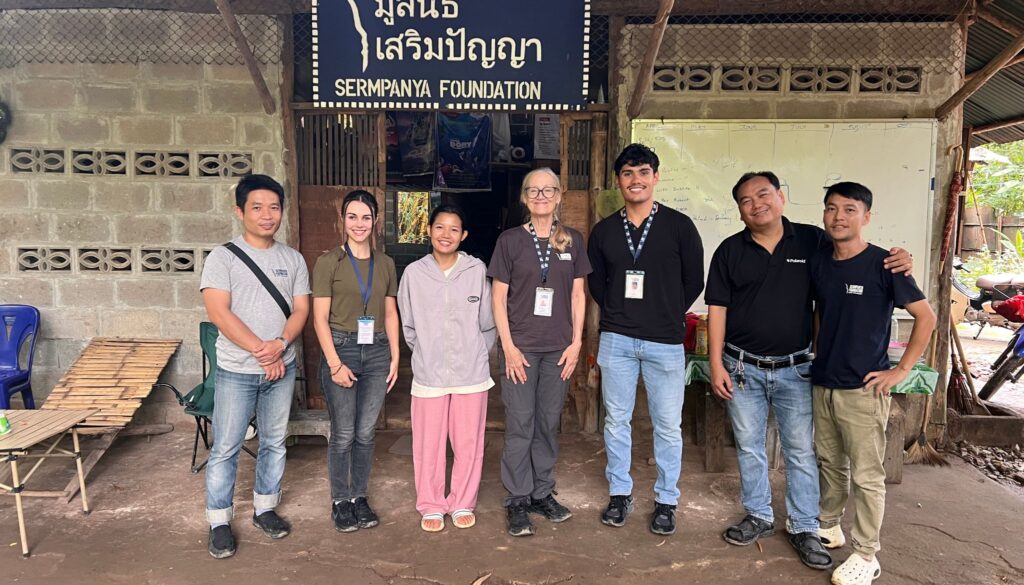
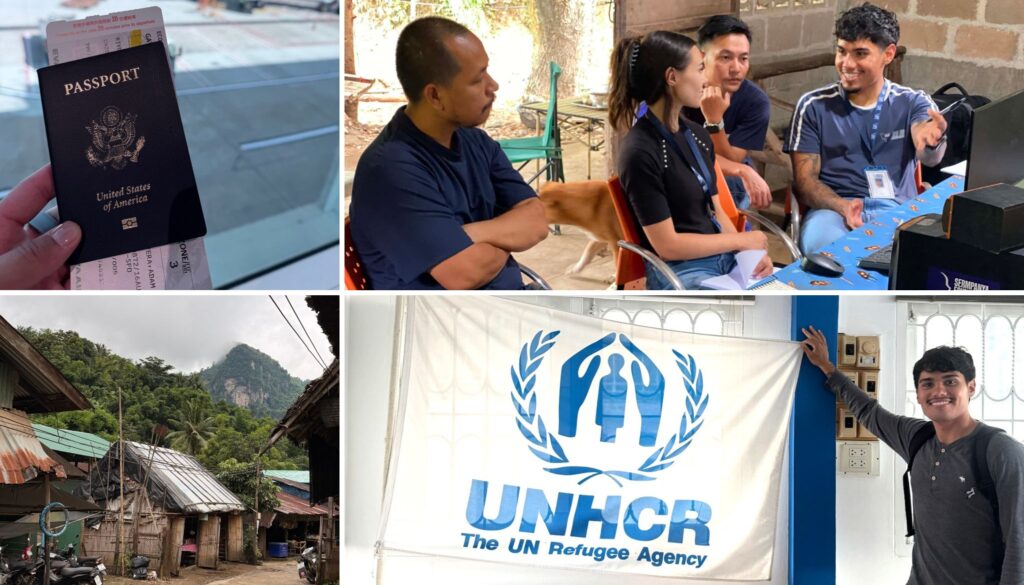
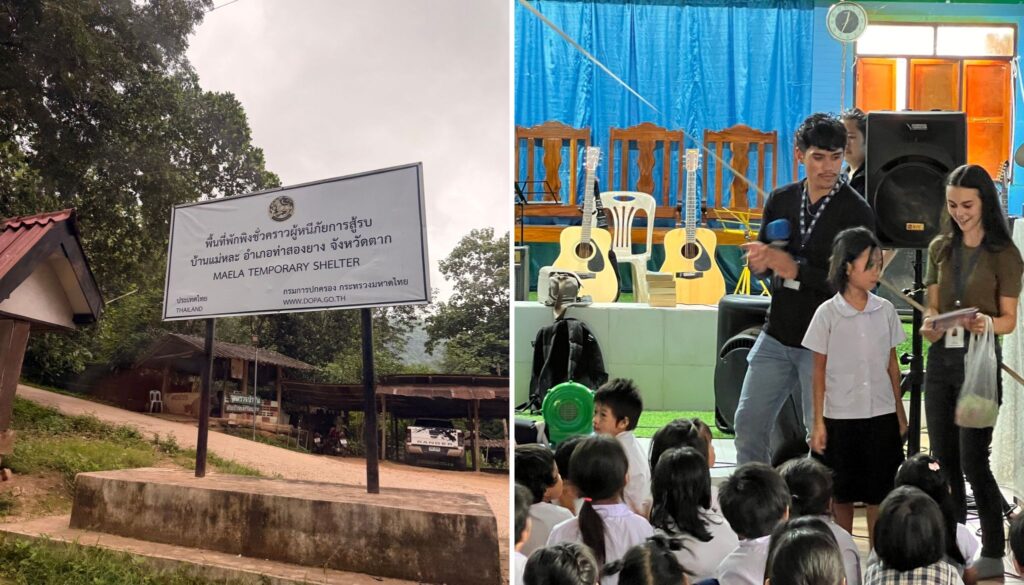
IIE’s Southeast Asia office placed Boise State University student Adam Rivera with the Sermpanya Foundation along the Thai Myanmar border. Participating in refugee coordination efforts, community outreach activities, and anti-trafficking initiatives gave him a deeper, more practical understanding of how humanitarian programs serve vulnerable populations. Rivera’s fellowship with Sermpanya also granted him the opportunity to volunteer alongside staff at the United Nations High Commissioner for Refugees (UNHCR) and engage with professionals from the World Bank and Centre for Global Development.
One experience that brought policy discussions to life was attending a job fair at the Mae La refugee camp. Rather than simply reading about efforts to increase refugee self-reliance, I saw how policy can translate into tangible opportunities by connecting refugees with employers and pathways to legal employment.”
Adam Rivera, Boise State University
Fellowship Location: Sermpanya Foundation, Thailand
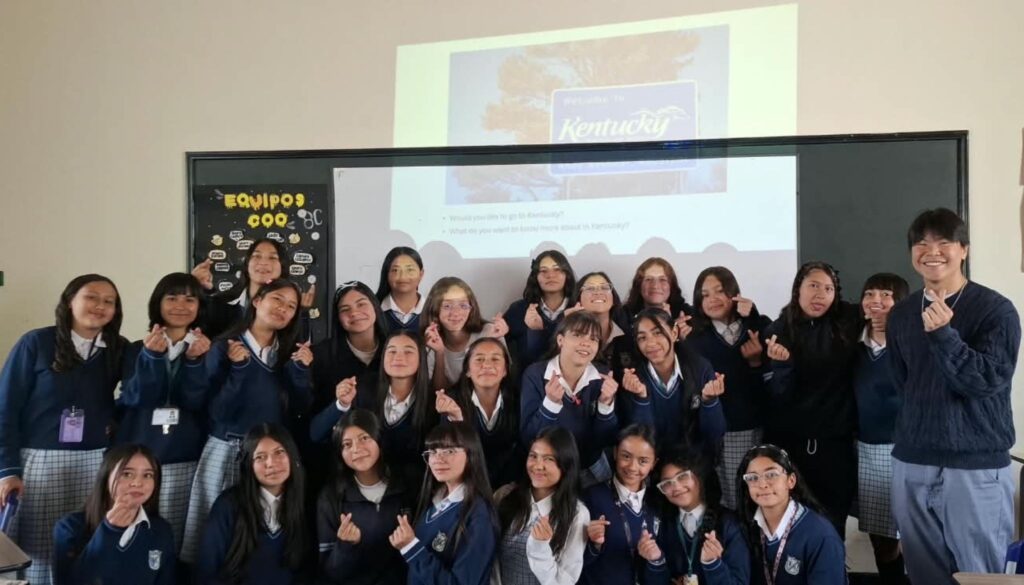
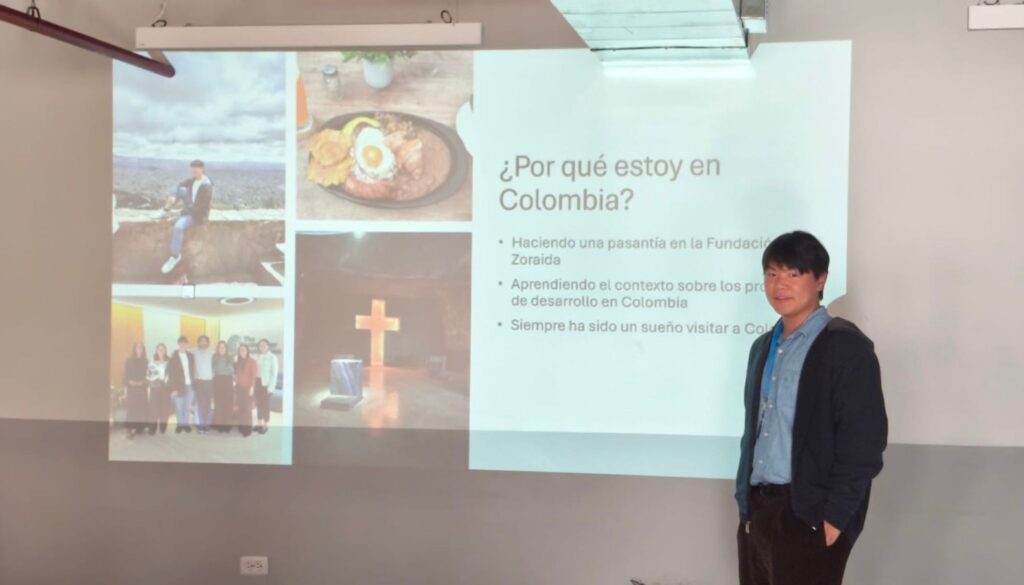
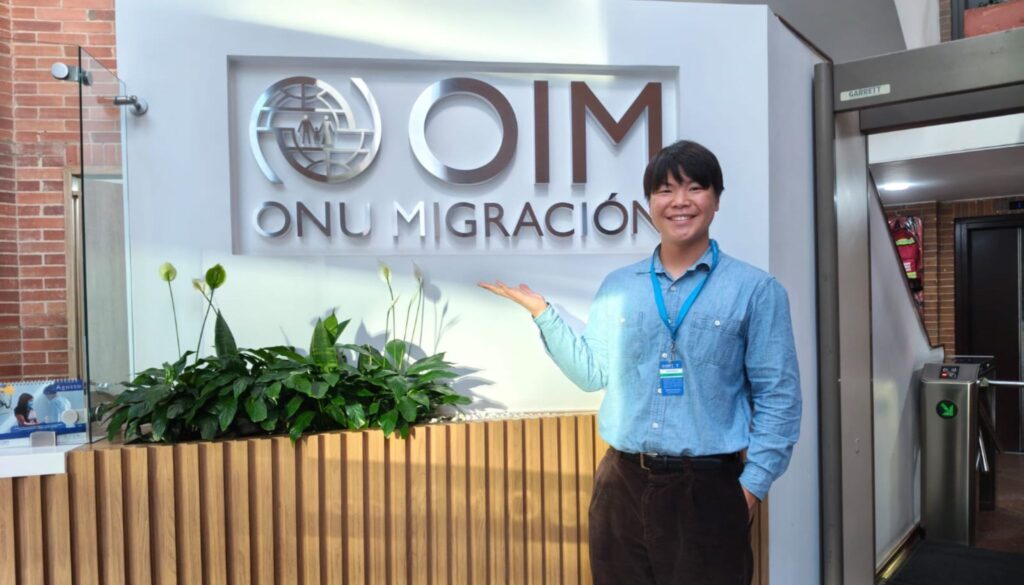
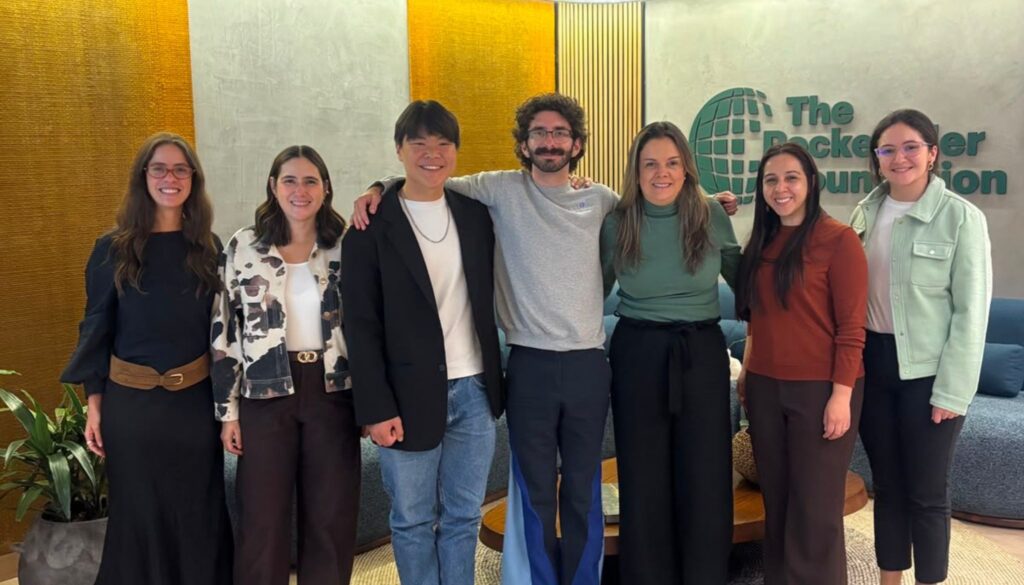
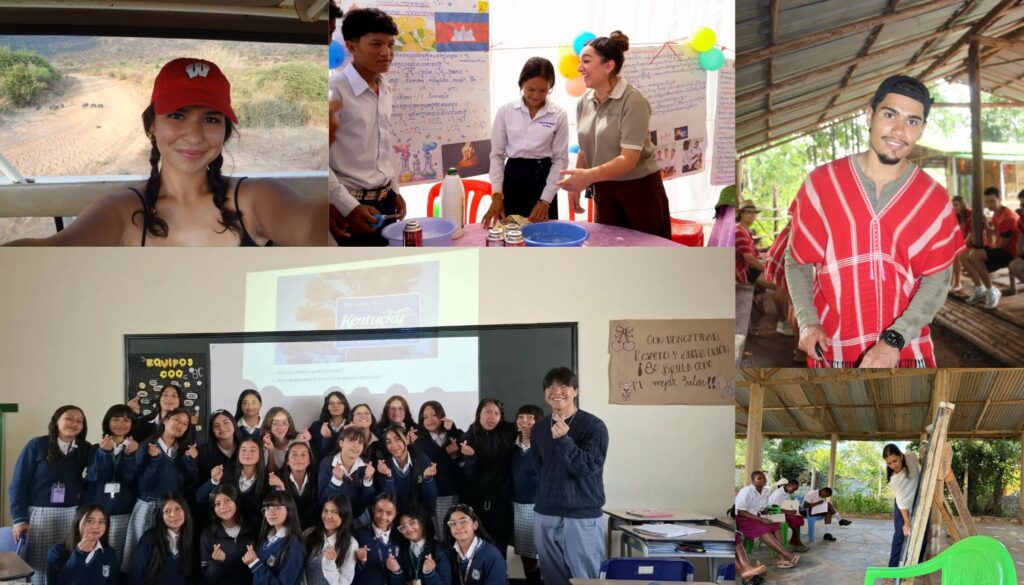
University of Kentucky student Jesse Lee went to Madrid, Cundinamarca, to support Fundación Zoraida, a comprehensive school for girls in grades 6 through 11. There, he conducted research on educational opportunities and workforce development systems that support young people as they transition into higher education and employment. He also worked directly with students, delivering a guest lecture and facilitating English language classes. His work connected directly to one of the world’s most pressing challenges: ensuring access to quality education and opportunity for the millions of young people who continue to face barriers to learning and economic mobility.
[M]any students lacked confidence in their English skills and believed that its benefits were out of reach. By sharing my experiences learning Spanish, I aimed to encourage students to consider what is possible through language study.
Though my time in Colombia was short, this experience strengthened my understanding of international development and, today, inspires me to pursue work that serves communities through evidence-based interventions. I left this experience with a greater appreciation for relationships, institutions, and long-term investments to create change. In the future, I would like to return to Latin America to contribute to long-term change in regional development efforts, like what I saw in the Sabana Occidente region.”
Jesse Lee, University of Kentucky
Fellowship Location: Fundación Zoraida, Colombia
Mutual Learning
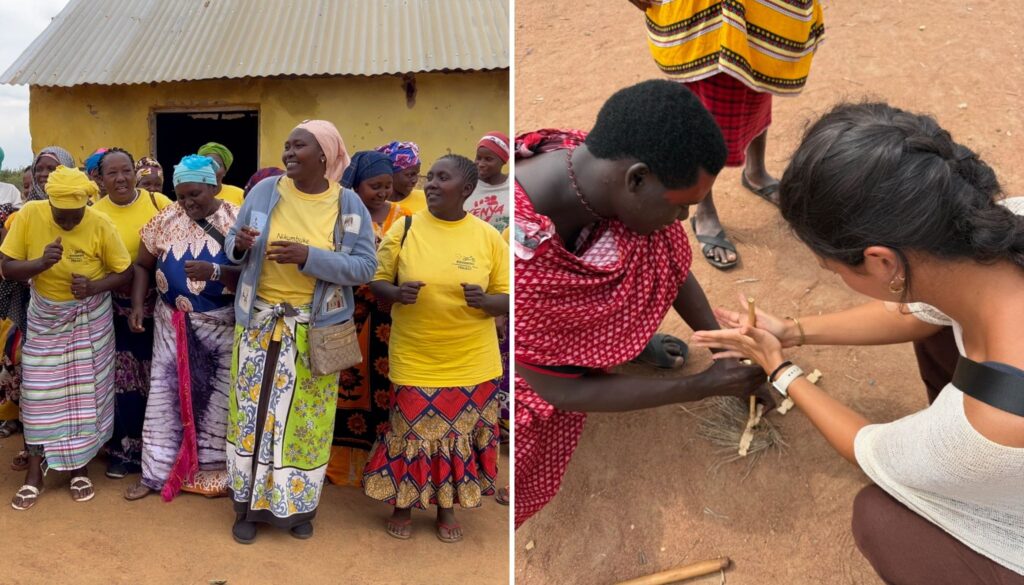
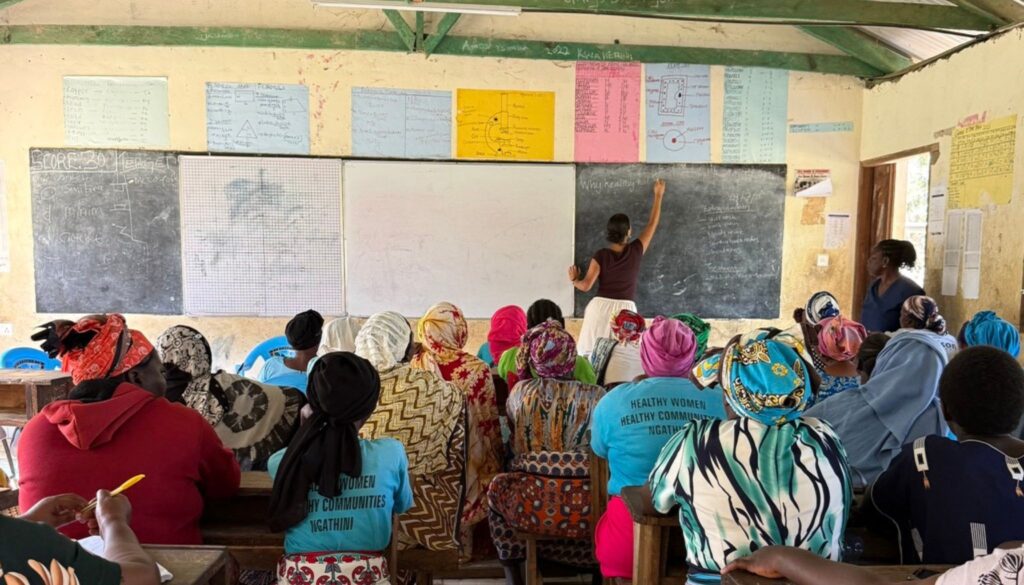
A defining feature of the experience is the reciprocal learning that occurs between the Fellows and the communities they serve. In Kenya, University of Wisconsin student Ashley Gorostieta worked with Health by All Means and the Nikumbuke Project, helping to facilitate health education workshops for women in rural communities. In total, she met and taught more than 1,000 women across 20 villages in southeastern Kenya.
Gorostieta’s experience provided a firsthand view of how community-based health initiatives can help address disparities that continue to affect millions of women and families around the world. But this opportunity to share her knowledge also quickly became an experience of mutual learning. Through conversations, cultural exchange, and community engagement, she gained a deeper appreciation for the role that learning and knowledge-sharing play in strengthening communities.
The international volunteers were encouraged to learn Swahili words that we could incorporate into our lessons, and we learned to introduce ourselves to the women entirely in Swahili.
This international experience, along with the language skill that I was able to obtain, is an incredibly unique fact that I will be able to leverage in future endeavors as I aspire to work for an organization that serves migrant populations.”
Ashley Gorostieta, University of Wisconsin
Fellowship Location: Nikumbuke Project, Kenya
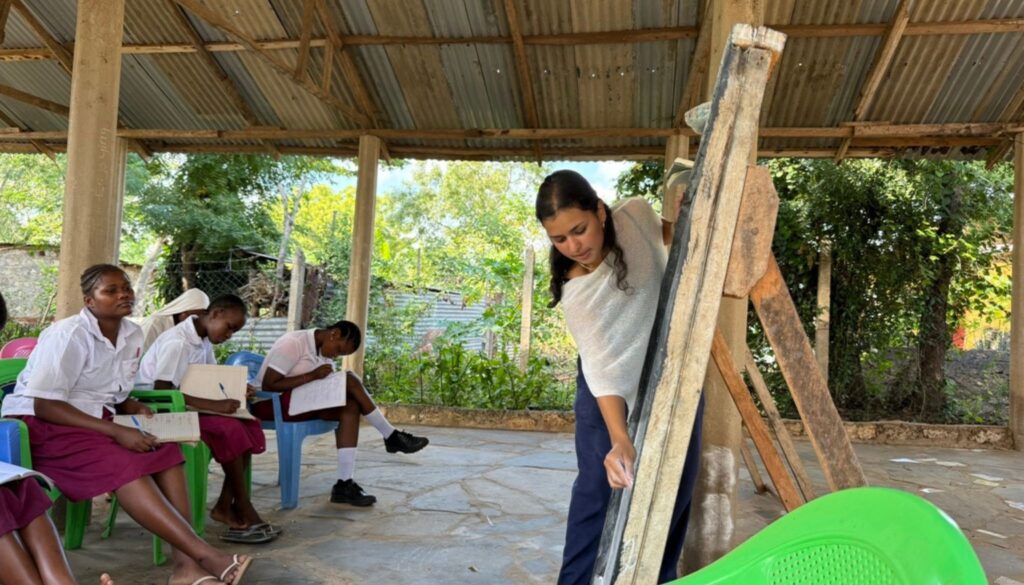
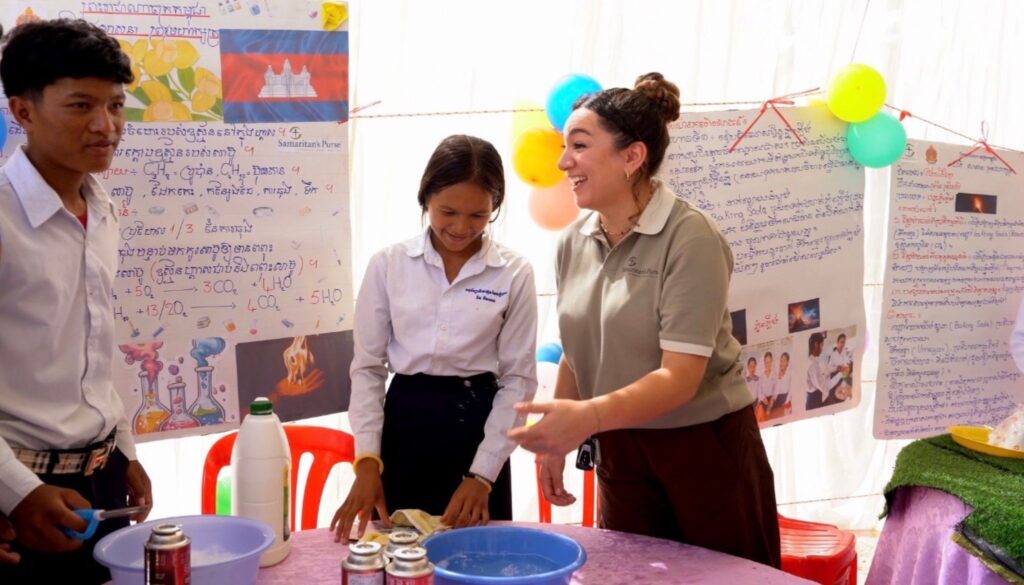
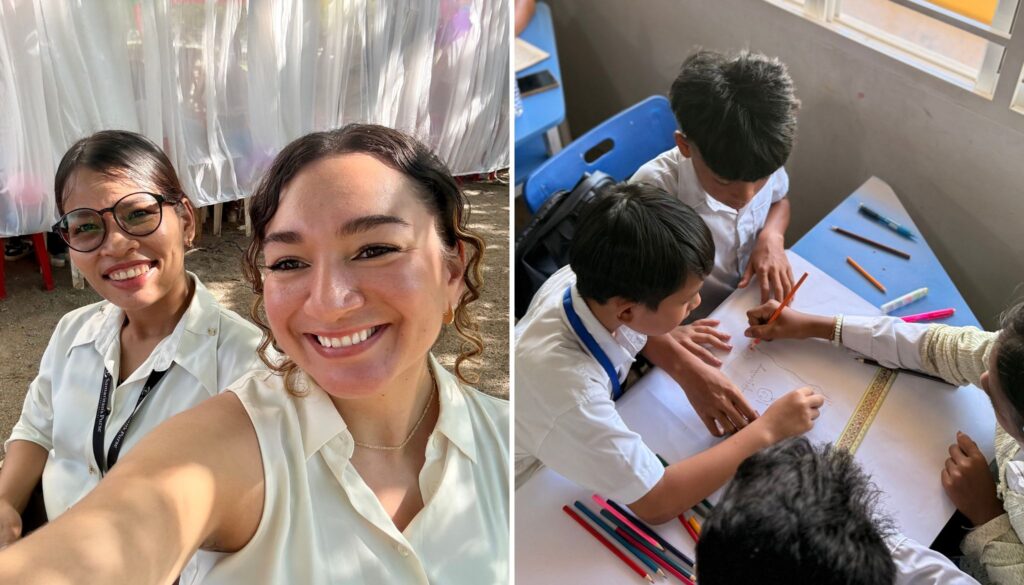
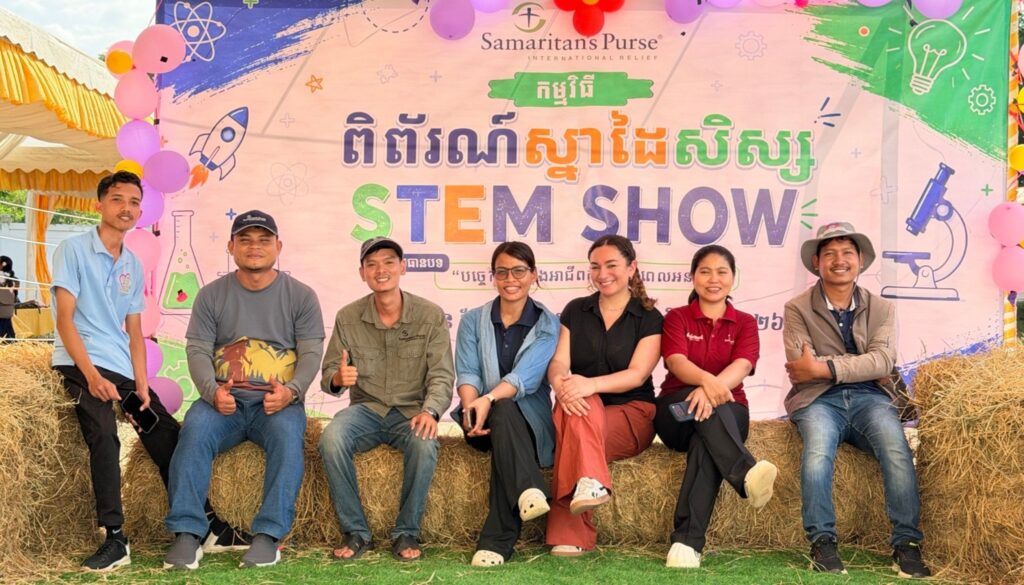
Human rights violations in Cambodia have forcibly pushed thousands into neighboring countries seeking safety, fair labor, and housing. Faced with temporary and unstable living conditions, many young Cambodian refugees are left without access to school. Arizona State University student Marie Raasch traveled to Pailin province to intern with Samaritan’s Purse International Relief, supporting literacy and STEM education initiatives.
In a school near the Thai Cambodian border, grade two student Lyly shared her story. She recounted the challenge of missing years of school while her family lived in Thailand and the support of literacy coaches and teachers who have steadily helped her catch up since her family’s return. Though she should be in grade six by this age, she is still working through grade two material, mastering her Khmer numbers and. Lyly is a participant in the We Can Read and Write program at her school, one of the longest-standing projects in Cambodia, which aims to support primary school students in the development of functional literacy. Lyly pursues her education with determination and courage.
The transformational power of education was reinforced and tangibly realized, even in the briefest windows of time.”
Marie Raasch, Arizona State University
Fellowship Location: Samaritan’s Purse International Relief, Cambodia
Working alongside educators, students, community leaders, and nonprofit partners, Raasch also witnessed how multilateral investment in education can meaningfully expand opportunity and strengthen communities.
From Summer Service to Lifelong Impact
Whether helping refugees access higher education in Thailand, expanding employment opportunity in Colombia, promoting community health in Kenya, or strengthening STEM education in Cambodia, the 2026 NextGen Service Fellows developed practical skills while making tangible contributions in their host communities. Further, all Fellows reported returning to their campuses with expanded professional networks, cross-cultural competencies, and a deeper understanding of how development programs are designed, implemented, and evaluated in real-world settings.
Together, their stories show how the NextGen Service Fellowship is helping cultivate the next generation of public servants. By connecting emerging leaders with communities around the world, the program equips them with the knowledge, experience, and perspective needed to transform service into lasting impact.