IIE’s CEO, Jason Czyz, Convened an Expert Panel to Discuss the Role of International Education in Workforce Transformation
At the University of Illinois Urbana-Champaign—just two and a half hours outside of Chicago—something remarkable is happening: at any given time, hundreds of students and employers are collaborating to build solutions that meet disruption with innovation. Research Park was just one of the models that took center stage in IIE’s spotlight session, International Higher Education & Industry Partnerships: Shaping the Global Workforce, during the Association of International Education Administrators (AIEA) Annual Conference in Washington, D.C., February 17-19.
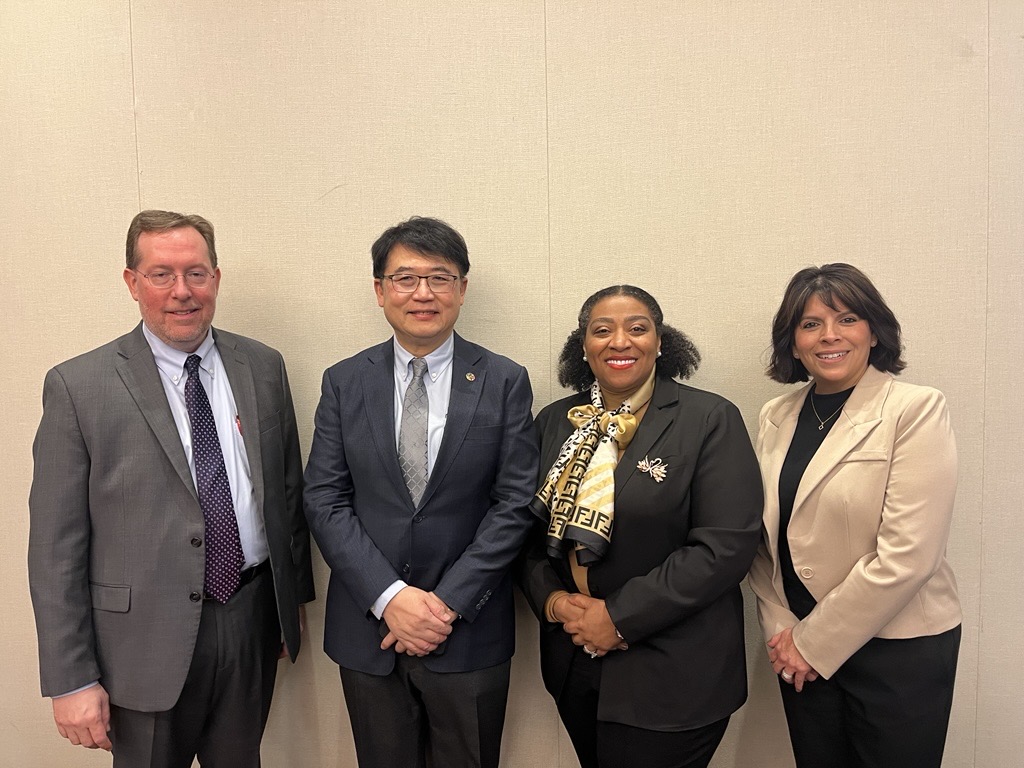
The expert panel included:
- Jason Czyz, President and CEO, Institute of International Education (IIE)
- Dr. Sammer Saleh Jones, Director for Global Relations, University of Illinois Urbana-Champaign
- Liz Lund, Senior Director, Philanthropy, the Medtronic Foundation
- Dr. Pornchai Mongkhonvanit, President, Siam University
The urgency behind these partnerships is clear. According to the World Economic Forum’s Future of Jobs reports, 65% of today’s primary school children will work in roles that don’t yet exist, and by 2030, 40% of workers’ skills will be obsolete or fundamentally transformed. In response, universities are partnering with employers to align academics, experiential learning, and research with the rapidly evolving needs of industries in the U.S. and abroad. Organizations like the Institute of International Education (IIE) help to design and implement programs that prepare learners for the future of work. IIE draws on its 107-year history of administering global scholarship programs, extensive university network, and evidence-based best practices.
Related Report: Integrating AI in Higher Education
Bringing together insights from seven countries—Qatar, Colombia, Ghana, India, Kazakhstan, Spain, and the United States—the experts at World Innovation Summit for Education (WISE) and IIE offer a nuanced look at how AI is reshaping higher education systems worldwide.
As an administrator of more than one hundred international exchange programs, higher education initiatives, and research studies, IIE tracks how universities, private sector companies, and governments invest in talent development across the globe. IIE’s CEO, Jason Czyz, led the discussion with leaders from business and higher education about the role of international education in workforce transformation. All agreed that deep collaboration between higher education and industry is essential. “We can’t predict exactly what the future of work will look like,” said Czyz. “But we can prepare students with versatile competencies that help them navigate ambiguity, adopt new technologies, and add value across industries.”
Key Themes from the Conversation
- Shared goals, shared investment, and shared infrastructure among partners amplify outcomes.
- A global mindset is, indeed, a critical skill—both for students who will need to navigate an ambiguous future of work, and the people who educate them.
- Work-integrated learning and applied research deepen the impact of global partnerships.
What Successful Partnerships Look Like
Each shared insights from their institutions’ most effective models:
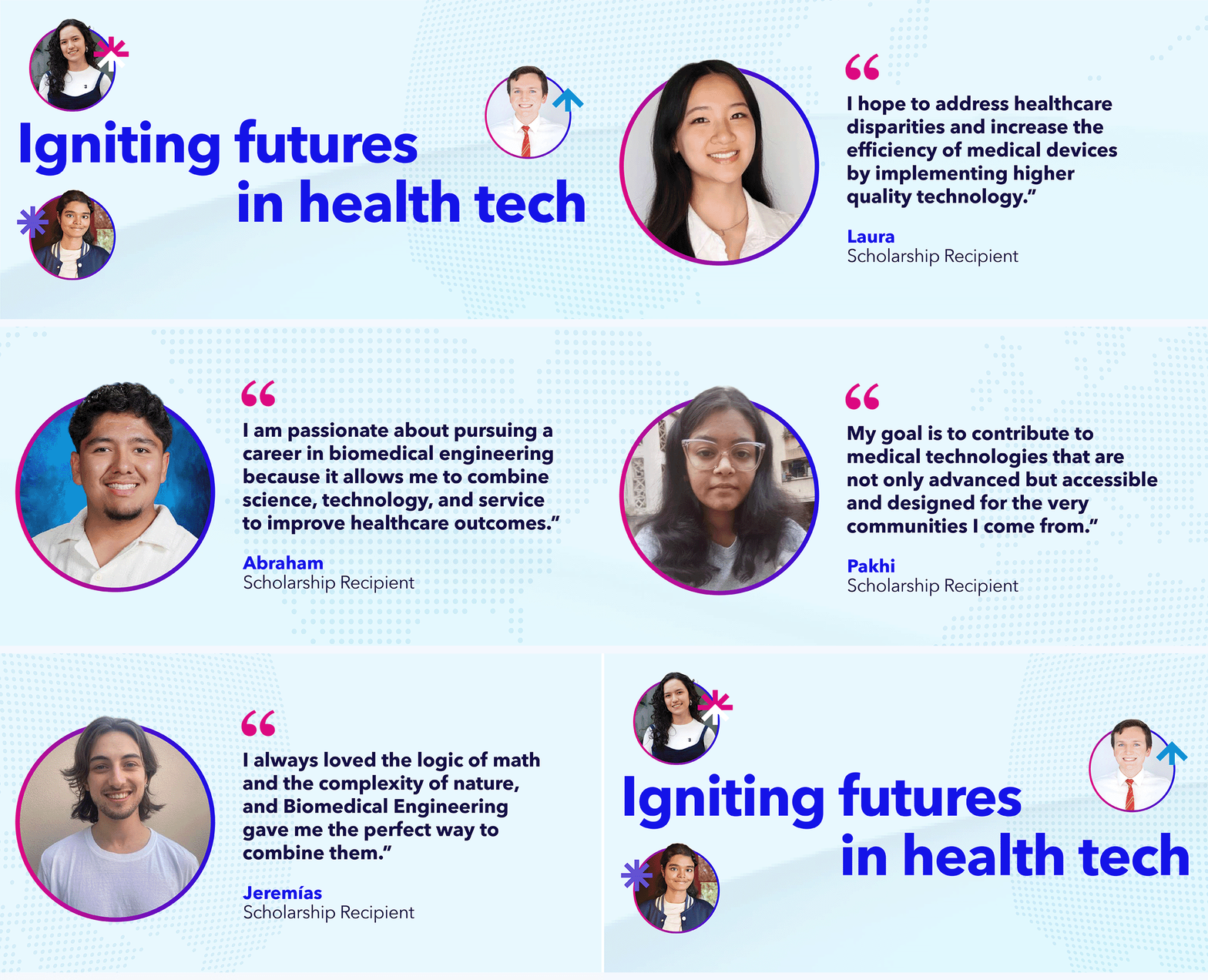
Medtronic Foundation: Liz Lund shared how Medtronic is demonstrating how businesses can lead with purpose and create opportunity at scale. Their ambitious initiative, Medtronic Spark, is a global 10-year commitment to propel 1 million students from low-income households into health tech careers. The Medtronic Spark Scholarship removes financial barriers for students pursuing degrees or credentials in health tech and related fields by providing financial assistance and access to support services. By opening doors to education, this scholarship empowers students to unlock their potential and shape the future of health. By working with IIE to offer the scholarship across 75+ countries and in 15 languages, the program has earned significant interest globally, raising awareness of the scholarship with more than 100,000 students and interested stakeholders worldwide!
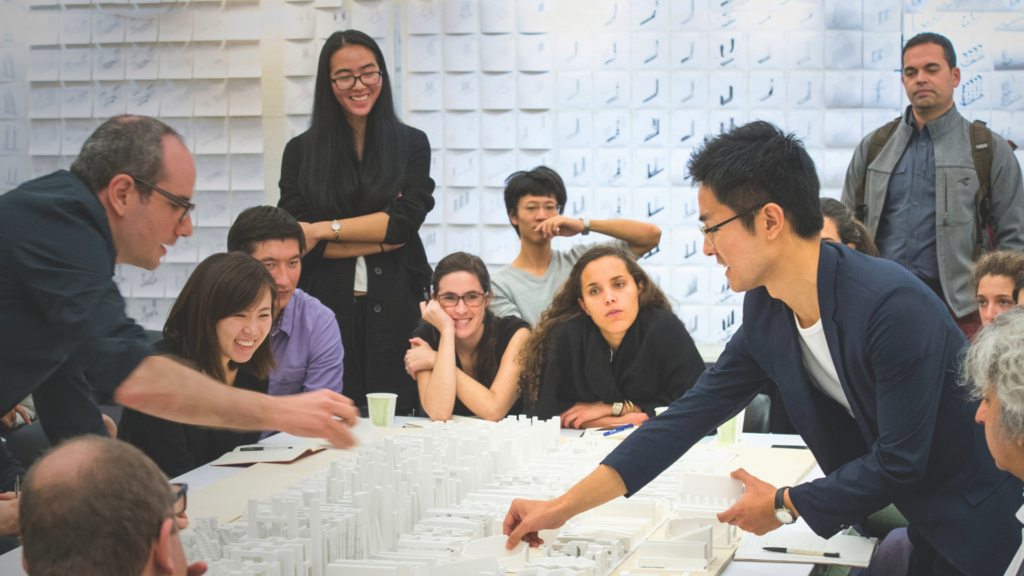
University of Illinois Urbana-Champaign: Dr. Jones highlighted Research Park’s workforce ecosystem, built on interdisciplinary learning, experiential education, and strong industry engagement. With 120+ corporate partners, 2,000 employees, and 800+ student interns, the model produces measurable outcomes for students, employers, and regional industries. Stakeholders collaborate to advance R&D, develop new products, and incubate early‑stage ventures.
Siam University: Dr. Mongkhonvanit urged leaders to view education as the connective tissue linking research, innovation, and industry. He described Thailand’s involvement in the Higher Education and Research for Sustainable Development (HESD) initiative and other national efforts. “By building collaborative clustering systems—first nationally among institutions and industries leading the 10 most important research or innovation areas, then expanding internationally—mobility enables smoother research, innovation, internships, and capacity building.”
A Call to Action
All panelists agreed: the future global workforce will be shaped by institutions, industries, and governments that work together to build adaptive, mutually beneficial learning ecosystems. Strategic partnerships prepare graduates not only for jobs, but for lifelong learning in a world defined by rapid change.
Their message was clear—deepen collaboration, reduce barriers, and invest in shared infrastructure that supports learners worldwide. By embracing this model, higher education and industry can jointly cultivate the resilient, innovative, globally minded workforce that the future demands.